
The Gravity-Flip Mechanic
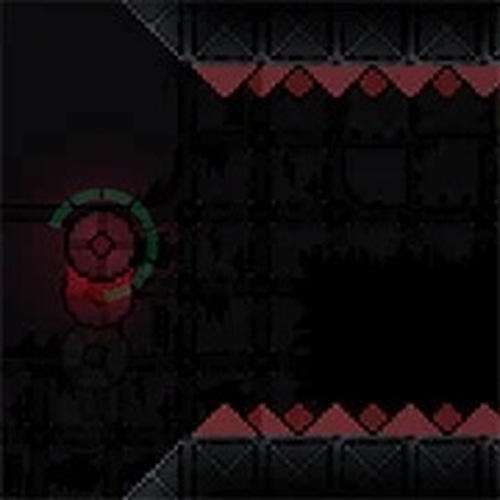
Orientation Flip Puzzle Runner builds its entire challenge around one action: reversing the direction of gravitational pull. You control a small sphere that travels across platforms, but jumping is not the primary tool. Instead, you toggle gravity, causing the sphere to fall toward a new surface. Walls turn into floors, and ceilings become walkways. The twist is that momentum and inertia carry over after each flip, so the sphere's speed and direction change in ways you must anticipate. Thinking several moves ahead is not optional; it is the core skill.
Stage Design and Difficulty
The game presents a series of stages that introduce new obstacles and layouts gradually. Early levels focus on basic flips so you can get comfortable with the controls. Later stages add moving platforms, gaps, and surfaces that react differently to the sphere's weight. Each stage is built like a compact puzzle where the solution is rarely obvious. Observing the entire layout before making your first move matters because a single misstep can send the sphere off course.
Controls and Feedback
Inputs are minimal: dedicated keys for flipping gravity and steering left or right. Clear visual cues, such as a brief animation or on-screen indicator, confirm when a gravity shift occurs. This feedback helps you understand the immediate effect of your action. The controls are responsive, which is important for stages that require quick adjustments. Even so, mastering the timing of flips takes practice because the sphere's speed and direction change with each shift.
Puzzle Philosophy and Presentation
The developers focused on puzzles that reward careful thought rather than fast reflexes. While some moments demand quick reactions, the emphasis stays on planning a sequence of flips that leads to the goal. This makes the game accessible to a wide audience, including younger players and those new to puzzle games. The difficulty curve is gentle, with each new concept introduced in a safe environment before being combined with earlier mechanics. Visually, the game adopts a clean, minimalist style that keeps attention on the puzzle elements. Colors highlight important objects or surfaces, but the overall palette is soft and easy on the eyes. Subtle sound effects confirm actions without distracting, maintaining a calm atmosphere even during complex stages.





Editorial Notes