
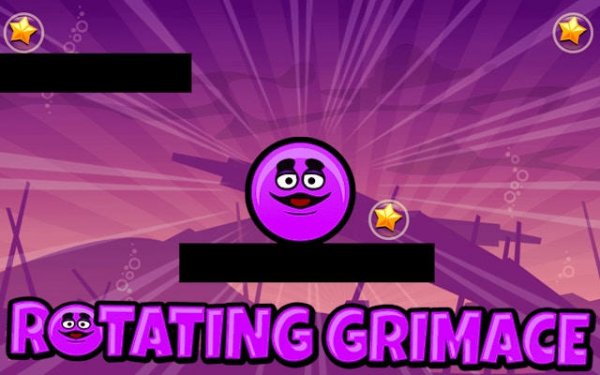
Gravity as a Tool
Most puzzle games let you move the character. This one makes you move the world. Each rotation shifts gravity by 90 degrees, so a wall you couldn't climb becomes a floor you can walk on, and a gap that would drop you becomes a safe ledge. The character falls in whatever direction gravity points after each turn. That single rule—rotate, then fall—drives every puzzle in the game. You never push the character directly; you reshape the environment until the path to the star opens up.
Level Structure and Difficulty Curve
There are 40 handcrafted levels. Early stages introduce one rotation at a time, letting you see how gravity affects movement without much risk. Later puzzles require sequences of rotations, and a wrong order can leave the character stranded or send them into spikes. Because there is no time limit, you can study the layout, trace the fall path in your head, and test a rotation before committing. The difficulty comes from planning, not reflexes.
Controls and Feedback
On-screen controls rotate the world clockwise or counterclockwise. The physics feel precise: when the world turns, the character drops immediately in the new gravity direction, and the level settles into a new configuration. A simple tutorial shows the basics, but the real learning happens through experimentation. Bright graphics and a relaxing soundtrack keep the mood calm, which suits the deliberate pace. There are no ads or in-app purchases during gameplay.
Who It Suits
This is a family-friendly logic game with no violent content. Children can handle the one-touch controls, while adults will find later levels genuinely challenging. If you enjoy spatial puzzles where the solution comes from rethinking the whole board rather than finding a hidden switch, this fits. Patience matters more than speed.




Editorial Notes