
Reading the Grid
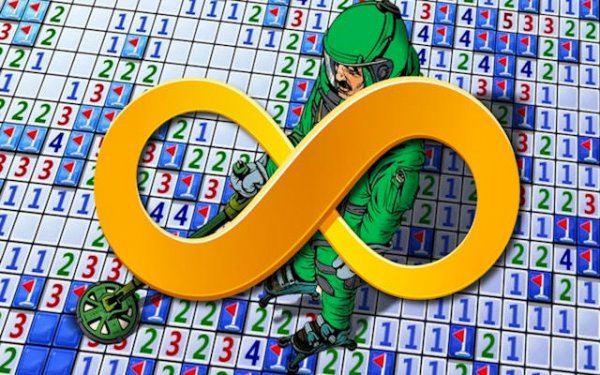
Every tile on the board conceals a number that counts how many of its eight surrounding tiles hold a hidden element. Tapping a tile reveals that number, turning each move into a small deduction problem. The goal is to identify which tiles are safe to clear and which should be flagged, using the numbers already exposed as evidence. Because a single wrong tap ends the current session, the game rewards methodical cross-referencing over quick guesses. Players who develop a consistent system — scanning neighbors, marking certainties, then working outward — tend to last longer than those who tap impulsively.
An Expanding Board
The grid has no fixed size. As sections are cleared, new tiles appear along the edges, pushing the play area outward. This means there is no final level or victory screen; the game continues as long as the player avoids a fatal mistake. Each session differs because the arrangement of numbers and hidden elements is regenerated, so the same pattern rarely repeats. The focus shifts from completing a stage to sustaining concentration and improving a personal best score, which gives the experience a different rhythm from level-based puzzle games.
Retro Look, Immediate Feedback
The visual style uses simple shapes and muted colors, keeping attention on the numbers rather than decoration. Tiles are large and clearly labeled, and the interface responds instantly when a tile is tapped or flagged. There are no text-heavy menus or complex settings to navigate, so starting a new game takes only seconds. That minimal presentation is deliberate: it removes distractions that would otherwise compete with the deduction process.
Difficulty That Grows With the Board
Early tiles usually offer straightforward clues, but as the grid widens, larger sections require combining information from numbers that sit far apart. This creates a natural difficulty curve — new players can learn the rules without being overwhelmed, while experienced players still find room to sharpen their deduction speed. The game tracks performance, so players can see how their approach improves over time. Running entirely in a web browser, it works on desktop, tablet, and smartphone, adapting to different screen sizes, and uses simple taps or clicks that suit limited fine motor skills. No in-app purchases or interrupting advertisements are present.





Editorial Notes