
Movement Without Crutches
Frost Climb Skill Runner removes every movement option except the essentials: move left or right, jump, and wall jump. There is no sprint button and no double-jump. That restriction changes how you read a screen. Every gap has to be measured before you commit, and every wall climb depends on where you initiate the jump. Because the controls respond instantly, a failed attempt usually traces back to a bad plan rather than a dropped input. The game rewards patience over speed.
One Screen, One Puzzle
The tower is divided into many small screens. Each screen works as a self-contained puzzle with its own arrangement of platforms, hazards, and moving obstacles. Your job is to work out the correct sequence of jumps and wall climbs that gets you to the top of that screen. Hazards include cold water below and projectiles that travel along set paths. You are expected to learn a screen completely before moving on, which gives the climb a steady sense of progression rather than a blur of constant action.
Pixel Art Built for Focus
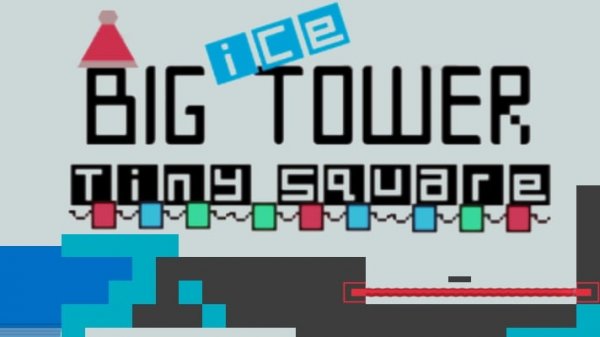
The visuals use pixel art with a cool blue and white palette that matches the frozen tower setting. Character sprites are simple but readable, so your position relative to hazards stays clear. Backgrounds remain static on each screen, which keeps attention on the immediate challenge instead of pulling the eye toward decoration.
Checkpoints and a Gradual Curve
Respawn points appear frequently during the climb. Falling or getting hit sends you back to the last checkpoint rather than the start. Early screens introduce basic jumps and simple hazards; later ones combine multiple obstacle types and demand longer wall-jump sequences. Checkpoint placement means practice time goes toward new challenges instead of repeating easy sections.
Approaching a New Screen
Pause and study each screen before moving. Watch moving hazards for patterns and note where platforms sit. Use wall jumps to reach higher ledges only when the path is clear. Since checkpoints are frequent, testing different routes is low-risk. Practice each section until you can clear it without hesitation.

Editorial Notes