
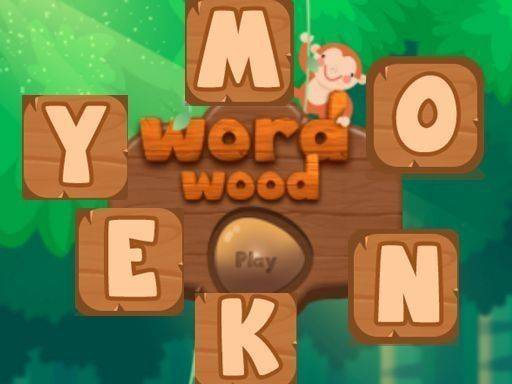
Building Words from Scrambled Letters
Each puzzle presents a set of jumbled letters that you drag into the correct order to spell a word. Every word belongs to a theme such as food, animals, or colors, so the answer usually fits a recognizable context. That thematic link helps you guess unfamiliar words by drawing on related vocabulary. The game never imposes a time limit, letting you rearrange letters until the word clicks.
A Calm, Readable Interface
Bright colors and clean typography keep individual letters easy to identify and move. Backgrounds shift subtly from one category to the next, which signals a change of topic without pulling attention away from the puzzle. Correct answers produce a gentle confirmation rather than a loud animation, keeping the experience low-stress and suitable for younger players or anyone who prefers a quieter pace.
Gentle Difficulty and Optional Help
Early puzzles use short, common words, while later rounds introduce longer or less familiar terms. A hint system is available when you get stuck, but it remains optional so that solving independently stays rewarding. The difficulty curve is deliberately gradual, which means progress feels steady rather than sudden. Completing a word triggers positive visual feedback that reinforces the effort you put in.
Playing Together Across Ages
Because there are no timers or competitive scores, a parent and child can take turns solving puzzles without pressure. The drag-and-drop controls work with both touchscreens and a mouse, so the same game suits tablets, phones, and computers. Menus require no reading to navigate, allowing pre-literate children to join in with minimal help. Repeated play also exposes players to topic-specific vocabulary they might not encounter in daily conversation.



Editorial Notes