Reflex Arcade Challenge
Runs in your browser — no download.
Reviews
Reflex Arcade Challenge is a standout hyper-casual game that nails the core loop of test-and-retry. The minimalist visuals keep focus on gameplay, while the increasing speed provides a satisfying difficulty curve. The one-tap control is intuitive for all ages, and the global leaderboard adds replay value. Perfect for short sessions, this game is a great choice for anyone looking to improve their reflexes.
Description
Game Introduction
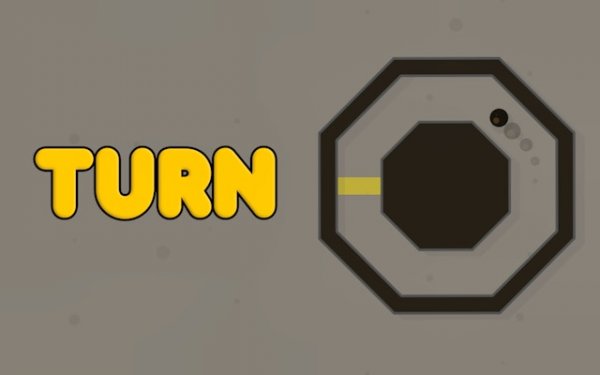
Reflex Arcade Challenge is a hyper-casual skill game that focuses on testing your reaction speed and hand-eye coordination. The core objective is simple: keep a moving ball on track through narrow, winding paths. Each run presents a fresh challenge, with a core loop that encourages repeated play. One mistimed move ends your run, creating a satisfying cycle of tension and reward as you strive to beat your personal best. The minimalist design ensures a clean, distraction-free experience focused on pure gameplay.
How to Play
Playing is easy to learn but hard to master. The ball moves forward automatically. Your only control is tapping the screen to make the ball change direction at corners and twists. Success depends on timing: tap too early or too late, and the ball veers off the path, ending your run. As you progress, the ball speeds up, requiring you to anticipate turns rather than just react. Build a steady rhythm and stay focused to achieve high scores.
Game Features
Game features include simple tap controls that are intuitive for all ages. Escalating difficulty keeps the challenge fresh as speed increases. Global leaderboards let you compare scores with players worldwide. The minimalist design ensures a clean, distraction-free experience focused on gameplay.
Tips for Success
To improve your performance, practice regularly to build muscle memory for timing your taps. Focus on anticipating upcoming turns rather than reacting at the last moment. Maintain a calm and steady rhythm, as panicking often leads to mistimed taps. Try to memorize common path patterns to better predict when to change direction. Finally, take short breaks between runs to keep your reflexes sharp and avoid fatigue.