
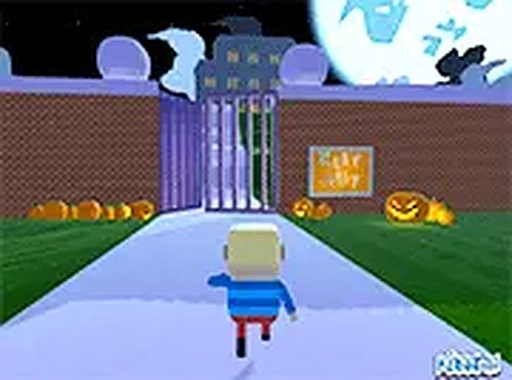
Mansion Atmosphere and Visual Style
The game drops you into a sprawling, dimly lit mansion with countless rooms and corridors. Cartoonish graphics keep the mood playful rather than frightening; soft lighting and gentle sound effects build curiosity instead of tension. Each area has its own theme, from dusty libraries to cluttered attics, and small environmental details hint at where to look next.
Logic Puzzles and Gradual Difficulty
Progress depends on solving logic-based challenges. Some puzzles ask you to match symbols or patterns, while others require arranging objects in a specific order. You might combine items found in different rooms to unlock a door or activate a machine. Early puzzles teach basic skills, and later ones demand more creative thinking. Hints are available if you get stuck, keeping the experience accessible.
Exploration and Connected Spaces
Searching every corner is essential. Keys, notes, and tools are often tucked away in drawers, behind furniture, or under rugs. Important clues sometimes sit in plain sight but are easy to overlook. Revisiting earlier rooms after finding new items can reveal hidden passages or additional puzzles. The design encourages you to think of the mansion as one connected space rather than isolated rooms.
Co-op Play and Session Details
You can invite a friend to join your session, which changes how puzzles are approached. Two players can split up to cover more ground or work together on a single tricky mechanism. Communication becomes important, as one player might spot something the other missed. Teamwork is not required, but playing with others adds a social layer. Sessions typically last 15 to 30 minutes, and the game saves progress automatically. Controls use keyboard keys for movement and mouse clicks for interaction, with a full-screen mode available.





Editorial Notes