
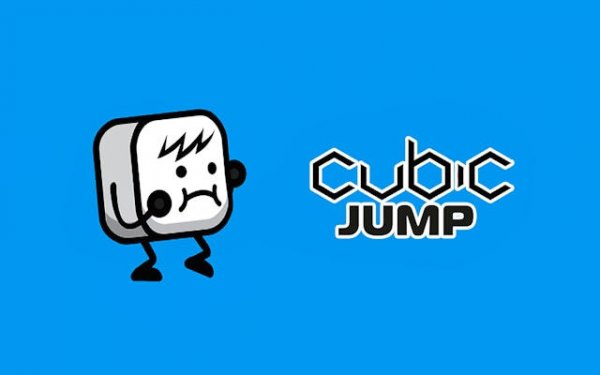
Core Objective and Moment-to-Moment Play
CubicJump 3D Platformer Adventure asks you to guide a cubic character through a series of platform levels. The goal on every stage is straightforward: avoid playful obstacles and reach the end flag. What makes the moment-to-moment play engaging is the balance between simple inputs and the timing they demand. On mobile, you tap the screen to jump; from the second level onward, holding your finger freezes you mid-air for precise adjustments. On PC, the spacebar handles jumping while the arrow keys move your character left or right. Controls are responsive, and success depends on reading each obstacle pattern before you commit to a jump.
Progression and Difficulty Curve
The game introduces new challenges gradually. Early levels establish basic jumping and movement, then later stages add light environmental puzzles and faster sequences that build on what you have already learned. This pacing keeps the experience accessible without letting it become monotonous. Because the difficulty rises in small increments, each cleared stage feels like a direct result of improved timing rather than luck. The level design emphasizes a steady sense of achievement, with obstacles and puzzles becoming slightly more complex as you move forward.
Controls, Platforms, and Accessibility
CubicJump 3D Platformer Adventure supports both mobile and PC, and the control schemes are tailored to each. Mobile players rely on taps and holds, while PC players use the keyboard. The art style uses cheerful colors and clean designs, which keeps the screen readable even when obstacles are close together. The game is designed to be intuitive, so new players can focus on jumping and exploring rather than memorizing complex inputs. Short sessions work fine, but the progressive structure also supports longer play.
Practical Tips for New Players
Timing matters more than speed. Watch how obstacles move or repeat before you jump, especially in the faster sequences. On mobile, use the mid-air freeze to correct a jump that would otherwise overshoot or undershoot a platform. On PC, practice combining the arrow keys with the spacebar so your movement and jump inputs feel like one action. If a level gives you trouble, replay it and focus on one section at a time rather than rushing the whole stage. Consistent practice is the most reliable way to handle the later puzzles.




Editorial Notes