
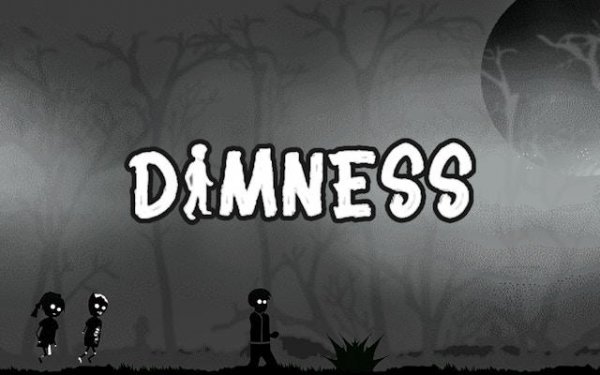
Auto-Run Survival in a Shadowy World
Shadow Realm Endless Runner is an automatic side-scroller set in a mysterious, shadowy environment. The character moves forward without player input, so the only thing you control is how you respond to what appears ahead. Your objective is simple to state and difficult to sustain: stay alive as long as possible while the path keeps generating new obstacle patterns and terrain layouts. Because the course is built dynamically, no two attempts unfold the same way, and the score you earn reflects the distance you cover before a collision ends the run.
Jump, Slide, Dodge: Reading the Path
Three actions cover nearly every situation. Jump clears low barriers and gaps in the ground. Slide passes under overhead obstacles that would otherwise stop you. Dodge handles hazards arriving from the sides. The controls are deliberately easy to learn, which keeps the opening minutes accessible, but the timing window tightens as speed climbs. Obstacle sequences grow more complex the further you travel, so the game asks you to recognize patterns earlier rather than simply react faster. Reading what is coming matters more than raw button speed.
Difficulty Curve and Replay Value
Speed and obstacle density increase gradually during a run. That progression is the main source of tension: the same three actions stay available, but the margin for error shrinks. Random generation keeps each attempt distinct, which gives the game strong replay value for players who enjoy chasing personal bests. Sessions can be short or extended, since a run ends the moment you mistime a jump, slide, or dodge. The shadowy theme provides a consistent atmosphere across runs without changing the core challenge.
Approaching High Scores
Because the score is tied to distance, improvement comes from consistency rather than risky play. Practicing the three basic actions until they feel automatic frees attention for anticipating obstacles. Maintaining a steady rhythm helps you react calmly when speed increases. Treating each failed run as a chance to learn a pattern is more productive than restarting immediately. Short breaks can also help, since precise timing depends on sharp reflexes.





Editorial Notes