
Core Delivery Loop
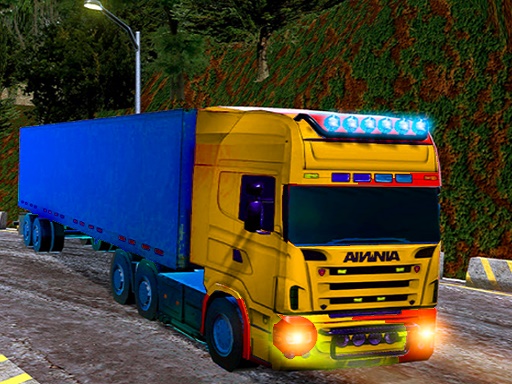
In Heavy Truck Transport 2025, you take the driver's seat of a heavy vehicle. The objective is straightforward: locate a stranded car on the road, position your truck to attach it, and then transport it to a marked delivery point. Each successful delivery completes a stage. The challenge comes from the road itself—terrain shifts from flat stretches to hilly paths, and obstacles like barriers and tight curves demand constant attention. Rushing leads to damaged cargo, so the game pushes you to prioritize smooth steering and gentle braking over raw speed.
Controls and Handling
You steer using either a keyboard or on-screen controls, depending on your device. The truck responds with weight, meaning acceleration and braking require anticipation. To attach a stranded vehicle, you must line up correctly—a small misalignment can cost time or force a reset. Once attached, the cargo's stability depends on your driving. Sharp turns or sudden stops can unsettle it, so the game rewards a calm, methodical approach. Beginners can pick up the basics quickly, but later stages introduce tighter roads and more frequent obstacles that test your planning.
Progression and Challenge
Difficulty rises gradually. Early levels offer wide roads and few barriers, letting you learn the attachment mechanic and delivery routes. Later stages narrow the paths and add more curves, requiring you to plan your route before moving. The game never asks for speed; instead, it asks for consistency. That steady learning curve makes it suitable for short sessions or longer practice runs. Because it runs in a browser without downloads, you can play on any device with internet access.
Who It Suits
This simulation appeals to players who enjoy logistics puzzles and thoughtful driving. If you prefer racing or action, the slow pace may not hold your attention. But if you like the idea of managing a heavy vehicle, planning safe routes, and completing deliveries without damage, the game offers a relaxing yet rewarding challenge. Patience is the most valuable skill here, and regular practice improves both control and route planning.






Editorial Notes