
Round Objective and Arena Structure
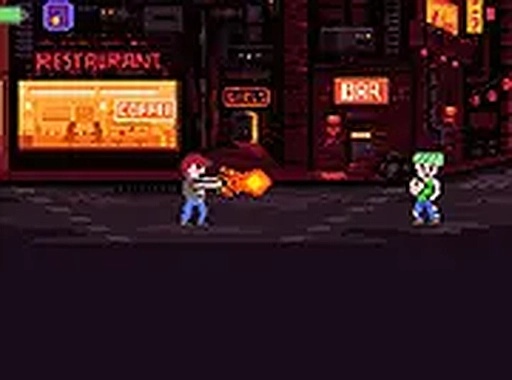
Every round in Crate Escape Puzzle Runner sets the same clear task: move a small character across a closed arena and reach a designated target item. There is no branching story or complex objective system. The arena itself is compact, with wooden crates placed along many of the available routes. Because the goal is always visible and the space is small, the challenge comes from reading the layout and deciding how to open a path rather than from navigating a large map. This structure keeps individual rounds short and focused.
Two Ways to Clear Crates
Crates are the main obstacle, and the game gives you two removal methods. Repeated basic attacks gradually chip away at a crate until it breaks. A charged special attack destroys any single crate instantly. The basic attack is always available and costs nothing, but it takes multiple hits. The special attack is faster but limited, so using it on the wrong crate can leave you without an instant solution later. That trade-off is the light strategic layer at the heart of the action. Choosing between patient chipping and a decisive special is the main decision you make during a round.
Controls and Session Feel
All movement and attacks use keyboard inputs. One key handles basic strikes, and another triggers the special move. The interface is clean and responsive for desktop browsers, and a full-screen option gives a more focused view. Levels are compact and often completable in a few minutes. There are no timers or score pressure, so the pace stays relaxed. That makes the game suitable for a quick mental break or a short challenge between other activities. The lack of time limits also means you can study a crate layout before committing to a route.
Visual Style and Family-Friendly Design
The graphics use a clean, colorful look that clearly distinguishes the character, the crates, and the goal item. Sound effects provide feedback for attacks and crate destruction without becoming intrusive. No violent imagery, mature themes, or complex systems appear. The gameplay revolves around movement and puzzle-like crate removal, which makes the title accessible to younger players and suitable for shared screen time. The overall presentation stays light and inviting, matching the short-session design.




Editorial Notes