
What Reflex Arcade Challenge Asks of You
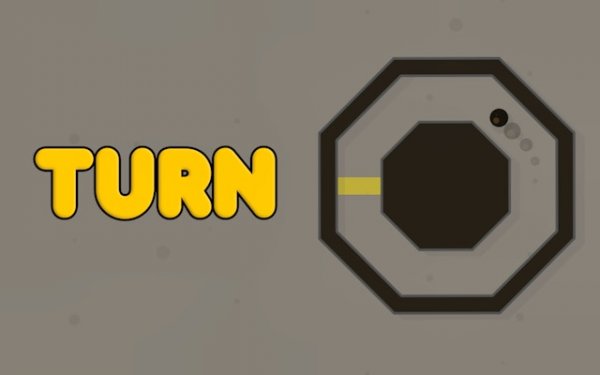
The premise is deliberately narrow: a ball travels forward on its own, and the path twists. You tap the screen to make the ball change direction at each corner. That is the whole control scheme, and it is the reason the game fits the hyper-casual label. [IMG_1] There is no inventory, no upgrade screen, and no story to follow. The challenge comes from the gap between knowing what to do and doing it at the right moment.
Why Timing Beats Reflexes Alone
Early runs feel like a reaction test. Tap when the corner arrives, and the ball stays on track. As the ball speeds up, that approach stops working. You start reading the path ahead and tapping in anticipation rather than in response. The distinction matters because it changes the game from a pure reflex exercise into a rhythm exercise. Players who find a steady cadence tend to last longer than players who tap as fast as they can.
One Mistake, One Run
There are no lives, checkpoints, or recovery options. A tap that lands slightly early or slightly late sends the ball off the path and ends the attempt. That structure creates short sessions with clear feedback: you either hit the corner or you did not. Because each run is brief, the loop encourages repeated attempts, and the score you are chasing is usually your own previous best.
Presentation and Pace
The minimalist design keeps the screen free of distractions, which suits a game where a fraction of a second decides the outcome. [IMG_2] Difficulty scales through speed rather than through new mechanics, so the same tap action stays relevant while the margin for error shrinks. Global leaderboards give the score a wider context, letting you compare your best against players worldwide.



Editorial Notes