
Pattern Library and Selection
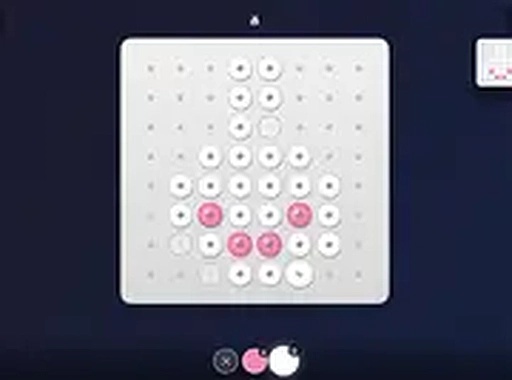
PixelCraft Tile Mosaic Studio opens with a browsable library of more than 200 patterns, sorted into categories. Designs range from simple geometric arrangements to detailed illustrations, so the difficulty curve is partly self-directed: you pick the pattern that matches your available time and patience. Each pattern can be previewed before you start, which matters because the preview shows the exact color and shape distribution you will need to reproduce. The selection screen is not a formality; it is where you decide how much spatial reasoning you want to apply in a session.
Tile Placement and Grid Logic
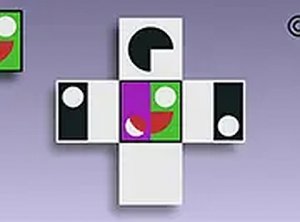
The core interaction is picking a colored tile from a palette and positioning it on a grid. The interface uses drag-and-drop that works with both mouse and touch input, and tiles snap into place with clear visual confirmation. Matching the template requires two overlapping skills: recognizing the correct color and judging where it belongs spatially. Because the grid layout stays consistent across all patterns, the controls do not change as you move between designs. That consistency reduces the learning curve and lets you focus on the puzzle rather than the interface. [IMG_1]
Completion Feedback and Pacing
When every tile is correctly placed, the game triggers a transformation sequence that merges the separate pieces into one unified mosaic. This is the only reward mechanic described, and it works as a pacing device: the longer you spend placing tiles, the more pronounced the visual payoff. There are no timers, scores, or penalties, so you can pause or resume at any point. The design leans toward short breaks or extended sessions without pressure, and the full-screen option removes browser distractions. [IMG_2]
Platform and Accessibility Notes
The game runs directly in web browsers on desktop and mobile devices, and the interface scales across screen sizes. Touch input is supported alongside mouse control, which makes the same puzzle playable on a phone or tablet without a separate version. Because there is no scoring system, progress is measured only by which patterns you finish. That structure suits players who want a low-stakes creative task rather than a competitive challenge. [IMG_3]




Editorial Notes