
Color Mixing as the Main Activity
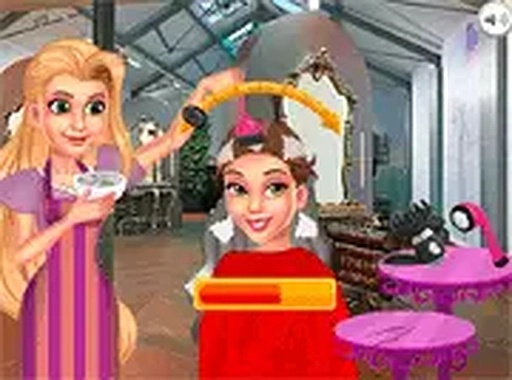
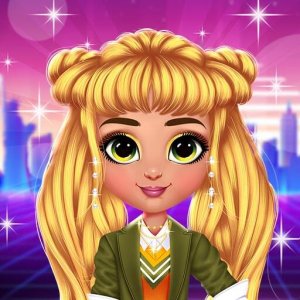
The core of Princess Hair Color Salon is blending different tones to produce a unique hair shade for one of three princess characters. Players start with a base color, then layer highlights or lowlights to shift the final result. The range spans soft pastels to bold, saturated hues, so the same starting color can lead to very different outcomes depending on what is added. This setup encourages trial and error rather than a single correct answer.
Outfit Coordination After the Hair
Once the hair color is set, the wardrobe section opens up. Dresses, tops, and accessories can be mixed and matched, and each princess has her own style preference that influences which combinations feel cohesive. Players can either follow that preference or deliberately contrast it. Because the game does not enforce a right or wrong outfit, the coordination step becomes a personal design choice rather than a puzzle to solve.
A Fixed Styling Sequence
The game follows a consistent order: base color first, then highlights or lowlights, then outfit selection. This sequence is not arbitrary—it mirrors how hair color is typically built up in real salons, where the foundation goes on before any accent tones. For younger players, the fixed steps reduce decision fatigue and make the process predictable. The interface supports this with simple icons and large buttons, and a full-screen mode removes visual clutter.
Replay and Creative Freedom
With three princesses and a wide range of color combinations, each session can end with a completely different look. There are no time limits, no scores, and no fail states. That absence of pressure is deliberate: the game is built for relaxed experimentation rather than competition. Players who enjoy color theory or fashion coordination will find the most to do here, while those who prefer clear goals may find the open-ended structure less motivating.


Editorial Notes