
Reading Each Room
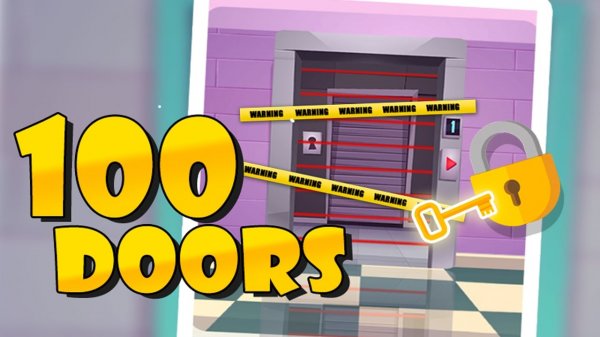
Every level in Door Challenge Puzzle Game is built around a single locked door, but the door itself is rarely the puzzle. The real work happens in the room around it. You scan the space for hidden items, note visual patterns, and decide which details matter. Because each stage introduces a new environment, you cannot rely on a routine from the previous door. The game expects you to reset your assumptions and observe from scratch.
Interaction and Item Logic
You interact with objects using a mouse or touch input. The core loop is straightforward: examine what is present, pick up what you can, and test how items relate to one another. Some puzzles require combining objects; others ask you to use a single item in a specific spot. The game does not spell out these connections, so progress depends on trial, error, and noticing when a small change in the room suggests a new possibility.
Difficulty That Grows Quietly
Early doors tend to be direct, with clues placed where you can find them without much searching. Later puzzles become more intricate, layering multiple steps or hiding the relevant detail in plain sight. The challenge comes from attention rather than speed. There are no timers or reflex tests described, which keeps the experience calm and suitable for short sessions or longer play. If a puzzle stalls, revisiting overlooked corners or trying interactions in a different order often reveals the missing link.
Who It Suits
Door Challenge Puzzle Game is aimed at players who enjoy brain teasers, pattern recognition, and step-by-step problem solving. The colorful graphics and smooth animations keep the tone light, and the family-friendly design means younger players can join without complex rules. It is not a game about action or story. Its appeal is the satisfaction of reading a room correctly and hearing the door unlock because you understood what it was asking.






Editorial Notes